
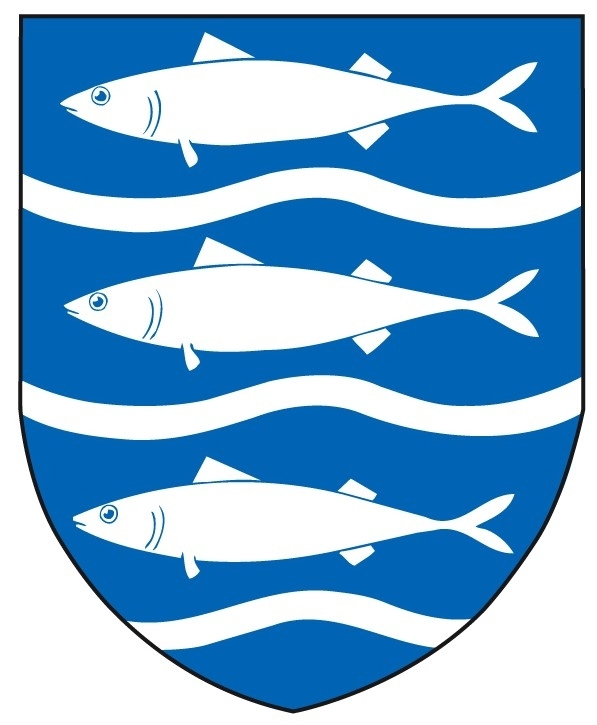


The story
From 1864 to 1920, the region was part of Prussia, in the Province of Schleswig-Holstein, and as such part of the North German Confederation and, from 1871 onwards, part of the German Empire. It was formerly the seat of, respectively the German Kreis Apenrade and the Danish Aabenraa County.
Former municipality
The 1970-2006 Aabenraa municipality was bordered by the municipality of Lundtoft to the south and east, and Rødekro and Tinglev to the west. As it was partially located on a peninsula, it was surrounded by water on three sides: at the southern side of the peninsula by Aabenraa Fjord opening up to the Little Belt east of the peninsula; at the northern side by Genner Bay (Genner Bugt). in South Jutland County on the east coast of the Jutland peninsula in south Denmark. The municipality, including the island of Barsø, covered an area of 129 km2 with a total population of 22,132 (2005). Its last mayor was Poul Thomsen, a member of the Venstre (Liberal Party) political party.
A new Aabenraa municipality was formed on 1 January 2007 as the result of Kommunalreformen ("The Municipal Reform" of 2007) where the former municipality merged with Bov, Lundtoft, Rødekro, and Tinglev.
From Wikipedia’s article on Aabenraa Municipality, shared under CC BY-SA 4.0.5